How to Disinfect a Home After Illness
When someone in the home has a cold or flu, a clear plan helps you protect others and recover peace at home. This practical guide shows you how to disinfect a home after illness in simple steps. It focuses on high touch surfaces, contact time, laundry, kitchen and bath, ventilation, and when to return to normal cleaning.
Key idea: Cleaning removes dirt. Disinfecting kills germs. Do both in the right order for best results.
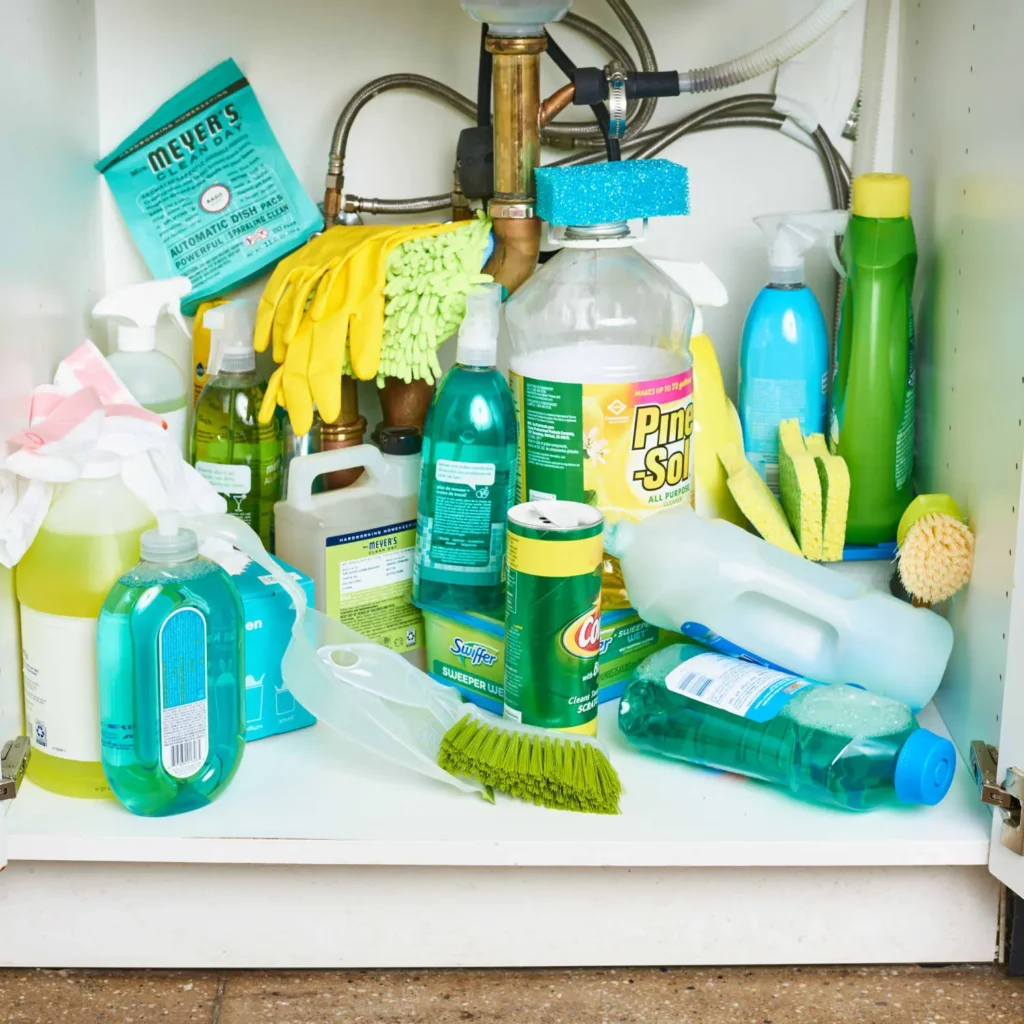
Supplies You Need
- Ready to use disinfectant that lists viruses on the label or an EPA or Health Canada approved disinfectant
- Household bleach with sodium hypochlorite if you prefer a bleach solution. Follow the label for dilution and safety
- Disposable gloves or reusable gloves kept only for sick room tasks
- Paper towels or clean cloths and a small bucket
- Alcohol wipes with at least seventy percent alcohol for phones and keyboards
- Laundry detergent and a lined hamper
- A small trash bag for used tissues and wipes
Always read product labels for directions, contact time, and safe use. Open windows or use fans for airflow.
Step by Step Plan
- Air the space. Open windows for ten to fifteen minutes if weather allows. Good ventilation lowers germ build up.
- Collect waste. Tie up used tissues and disposable items. Remove trash from the sick room each day.
- Clean first. Wipe visible dirt with soap and water. Germs hide under grime so cleaning comes before disinfecting.
- Disinfect next. Apply the product so the surface stays wet for the full contact time shown on the label.
High Touch Surfaces
Focus on surfaces people touch often. Do these at least once a day during illness and for two to three days after symptoms end.
- Doorknobs and handles
- Light switches and remote controls
- Phones, tablets, keyboards, and mice
- Faucet handles and toilet flush handles
- Bed rails and side tables
- Fridge doors, microwave buttons, and stove knobs
Tip: Keep a small caddy with wipes so family members can wipe a surface after use.
Contact Time
Contact time is how long a disinfectant must stay wet on a surface to work. If the surface dries early, spray again and keep it wet for the full time. Many products list a time between thirty seconds and ten minutes. The exact time is on the label. Do not rush this step.
Laundry and Soft Surfaces
- Bag and handle with care. Do not shake laundry. This avoids sending droplets into the air.
- Wash with a warm setting when the fabric allows. Use regular detergent. Hot water is fine for white linens if the fabric allows it.
- Dry fully. Use a full dry cycle. Heat helps finish the job.
- Soft items. For couches, cushions, or rugs, vacuum and then use a fabric safe disinfectant or steam setting if the maker allows it. Check the label first.
Kitchen and Bathroom
- Kitchen. Clean counters with soap and water, then disinfect. Pay attention to appliance handles and touch screens.
- Dishes. Use a dishwasher on a hot cycle when possible or wash by hand with hot water and dish soap. Dry fully.
- Bathroom. Disinfect sink handles, toilet seat and flush handle, shower knobs, and floor around the toilet.
Ventilation
- Open windows when possible
- Use an exhaust fan in the bathroom and kitchen
- Fresh air lowers the number of germs in a room.
- Run a portable HEPA air cleaner in shared spaces if you have one
Floors
For most homes, routine cleaning is enough. Disinfect floors if there are body fluid spills. Clean the spill first with paper towels. Then disinfect the area and allow full contact time. Keep children and pets away until dry.
Phones and Keyboards
Use alcohol wipes with at least seventy percent alcohol. Gently wipe the surface. Do not spray liquid into ports. For touch screens, follow the maker guide. Wipe again after the contact time listed on the wipe package.
Bleach and Pet Safety
Bleach can be used safely if you follow the label. Mix and use it in a well ventilated area. Wear gloves. Never mix bleach with ammonia or vinegar. Keep pets and children out of the area while you clean and until surfaces are fully dry. Store products out of reach.
When to Return to Normal
After that, go back to routine cleaning, but keep wiping high touch areas for a couple of extra days
Keep the plan in place until the sick person has been fever free for twenty four hours without fever medicine and symptoms are clearly improving
Common Mistakes to Avoid
- Spraying and wiping right away. Let the product sit for the full contact time
- Skipping the clean first step. Dirt blocks the action of disinfectants
- Reusing a dirty cloth over many rooms. Switch to a clean side or a fresh cloth as you go
Daily Quick Checklist
- Air rooms for ten minutes
- Empty trash and tissues
- Clean and disinfect high touch surfaces
- Wipe phones and keyboards
- Wash and dry laundry
- Wash hands often
Cleaning removes dirt, dust, and some germs from surfaces. Disinfecting uses a product that kills germs on surfaces. Do both for best protection.
Follow the label for contact time. Keep the surface wet for the full time. If it dries too soon, apply more.
Routine cleaning is enough for most floors. Disinfect if there is a spill of body fluids or if a child plays on the floor often.
Yes, if used as directed. Ventilate the area, keep pets away while you clean, and let surfaces dry fully before they return.
Use alcohol wipes with at least seventy percent alcohol. Wring out extra liquid if needed. Wipe all sides and let them air dry.
Use warm or hot water when the fabric allows. Use regular detergent. Dry items fully in the dryer or in the sun.
It varies by virus and by surface. Many viruses survive for hours to a few days. Regular cleaning and correct disinfection lower this risk.
No. Fogging is not needed for normal homes and can be unsafe if not done by trained pros. Targeted cleaning and disinfection work well.
A small daily routine protects your family during and after illness. Focus on high touch surfaces, give products the right contact time, wash and dry laundry well, and keep fresh air flowing. This simple plan helps you disinfect a home after illness and return to normal with confidence.

Get in Touch
- Ontario, Canada
- support@tidyupnorth.com
- (289) 815-6240
Sign Up for Our Newsletter
Stay informed with the latest news, updates, and articles.