

In a world increasingly aware of climate change and the impact of toxic chemicals, eco-friendly cleaning has become more than a trend. It’s a lifestyle shift toward sustainability and well-being. Across Canada, families are turning to non-toxic residential cleaners that are safe for people, pets, and the planet.
This guide explores the science, psychology, and practical side of green cleaning, from why it matters to how you can transform your home using eco-friendly cleaning products made in Canada.
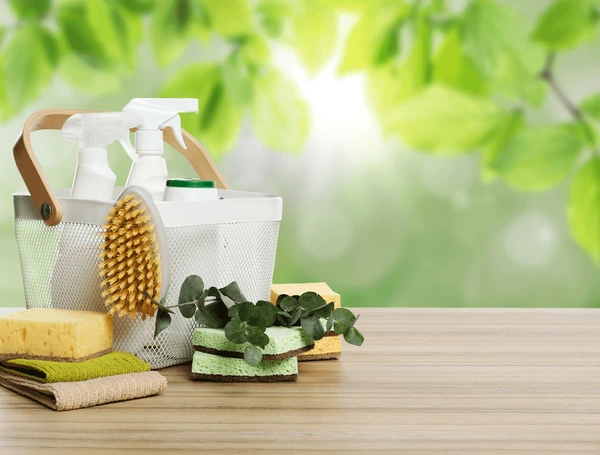
Understanding the Shift: Why Canadians Are Choosing Eco-Friendly Cleaning
The traditional cleaning industry has long relied on harsh chemicals like ammonia, chlorine, and synthetic fragrances. While effective, these substances often come at a cost, including indoor air pollution, skin irritation, and environmental harm.
Today’s Canadian homeowners are demanding more sustainable options, driven by:
- Health awareness: Concern over allergens and chemical sensitivity.
- Environmental responsibility: Desire to reduce carbon footprint and water contamination.
- Long-term savings: Eco-friendly solutions often last longer and reduce waste.
- Transparency: Growing preference for brands that disclose ingredients and production ethics.
This transformation reflects a deeper psychological shift. Consumers no longer want to choose between cleanliness and conscience. They seek products that clean effectively and align with their values.
The Core of Non-Toxic Cleaning: What It Really Means
The term non-toxic isn’t just marketing jargon. It indicates that a product avoids chemicals proven to cause harm to humans or ecosystems.
True non-toxic cleaners in Canada adhere to principles like:
- Plant-based ingredients (e.g., coconut, corn, or citrus-derived surfactants).
- No synthetic dyes or fragrances.
- Biodegradable formulas that break down naturally in the environment.
- Packaging made from recyclable or compostable materials.
According to Health Canada and Environmental Working Group (EWG) guidelines, safe ingredients include baking soda, vinegar, citric acid, essential oils, and hydrogen peroxide. When used properly, these components can rival conventional cleaners in performance, without the toxicity.
How Conventional Cleaners Affect Health and the Environment
Before diving into sustainable alternatives, it’s crucial to understand what’s at stake. Traditional cleaning products can lead to:
- Respiratory Issues
Inhaling volatile organic compounds (VOCs) can aggravate asthma and allergies. - Skin and Eye Irritation
Chemicals like bleach and ammonia can cause burns or rashes. - Water Contamination
Non-biodegradable surfactants and phosphates harm aquatic life once they enter waterways. - Indoor Air Pollution
Studies show that indoor air can be two to five times more polluted than outdoor air, largely due to synthetic cleaning agents.
By contrast, eco-friendly cleaning products reduce these risks while keeping your home equally spotless.
The Psychology of Clean: Why “Green” Feels Better
Using eco-friendly cleaners doesn’t just improve physical health. It impacts emotional well-being, too. According to the Coreo Framework of consumer psychology:
- Clarity: Green products simplify decision-making by aligning with ethical and health goals.
- Originality: They reflect a sense of individuality and conscious living.
- Relatability: Families feel connected to a growing community of environmentally aware Canadians.
- Emotion: Clean, natural scents evoke calmness and satisfaction.
- Outcome: Homeowners experience peace of mind knowing their choices support sustainability.
This connection between emotional satisfaction and environmental responsibility is what makes eco-cleaning habits so powerful and lasting.
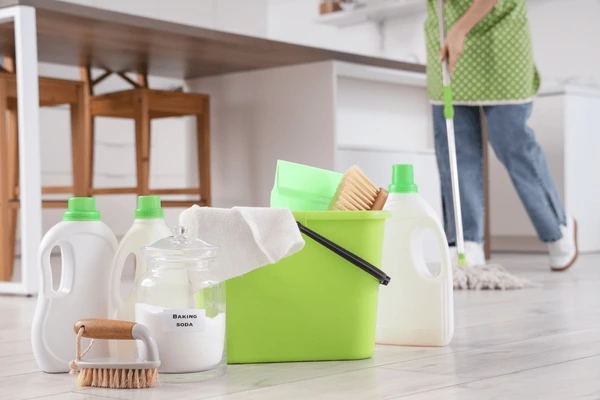
Top Eco-Friendly Cleaning Brands in Canada
Canada is home to several pioneering green cleaning brands that combine science with sustainability. Here are a few trusted names leading the movement:
1. Attitude Living
A Montreal-based company offering EWG-verified cleaners made with hypoallergenic, plant-based ingredients. Their Nature+ Technology™ line covers everything from laundry detergent to bathroom sprays.
2. The Unscented Company
Focused on minimalism and zero-waste packaging, they offer refillable soaps and cleaners without artificial fragrances or dyes.
3. Biovert
A Quebec brand that produces eco-certified cleaning solutions with biodegradable ingredients and recyclable containers.
4. Eco-Max
Known for their Canadian-made cleaners that use essential oils for fragrance and are certified by UL ECOLOGO.
5. Sapadilla
A small-batch brand producing delightful, essential-oil-based cleaners free from synthetic additives.
Each of these brands is non-toxic, cruelty-free, and transparent, reflecting the modern consumer’s demand for authenticity.
DIY Non-Toxic Cleaning Solutions for Your Home
Not all eco-friendly cleaning has to come from a bottle. You can make powerful cleaners at home using simple, affordable ingredients.
1. All-Purpose Cleaner
- 1 part vinegar
- 1 part water
- A few drops of essential oil (e.g., lemon or tea tree)
2. Glass Cleaner
- 1 cup water
- 1 cup rubbing alcohol
- 1 tablespoon white vinegar
3. Bathroom Scrub
- Baking soda + liquid castile soap (mix until pasty)
4. Floor Cleaner
- 1 gallon of warm water
- 2 tablespoons mild dish soap
- Optional: a few drops of peppermint oil for freshness
These homemade solutions are biodegradable, safe for kids and pets, and cost-effective.
Why People Switch to Eco-Friendly Cleaning
Current Situation:
Many households still use chemical-based products, believing they clean better or cost less. Yet, they notice lingering smells, allergies, or health discomfort after cleaning.
Problems:
- Constant exposure to irritants.
- Increased indoor pollution.
- Environmental guilt over waste and toxins.
Consequences:
Ignoring these signs can lead to long-term respiratory or skin issues, reduced air quality, and higher environmental impact.
Desired State:
A cleaner home environment with safer, non-toxic solutions that protect both health and the planet.
Future Pacing:
Imagine walking into your home, breathing in fresh air free from chemical residue, knowing every surface gleams with a cleaner that’s kind to nature and to you. That’s the future eco-friendly cleaning offers.
What to Look for When Buying Eco-Friendly Cleaners in Canada
To ensure you’re getting a truly non-toxic product, check for these key certifications:
- ECOLOGO or Green Seal: Indicates verified sustainability and performance.
- EWG Verified: Confirms product safety for human health.
- Leaping Bunny: Guarantees cruelty-free manufacturing.
- Biodegradable Labeling: Ensures ingredients break down safely.
Also, be cautious of greenwashing, marketing that exaggerates eco-friendliness. Always read ingredient lists and check for transparency.
Eco-Friendly Cleaning by Room: A Step-by-Step Approach
Kitchen
Use vinegar-based solutions for countertops and baking soda for ovens. Avoid synthetic disinfectants that linger on food surfaces.
Bathroom
Adopt hydrogen peroxide sprays for mold and mildew. Replace bleach-based products with natural alternatives that sanitize without fumes.
Living Room
Opt for microfiber cloths and non-toxic dusting sprays. Open windows for better air circulation after cleaning.
Bedroom
Use natural fabric refreshers and essential oils for scent. Avoid artificial air fresheners that release VOCs.
Laundry
Choose plant-based detergents without phosphates or dyes. Line-dry clothes when possible to save energy.
By customizing your approach by room, you can maintain a cleaner, greener home without compromising hygiene or comfort.
The Environmental Benefits of Going Green at Home
Switching to eco-friendly cleaning creates a ripple effect beyond your home. Each purchase and practice contributes to:
- Reduced carbon emissions through biodegradable waste.
- Cleaner waterways due to fewer toxic chemical residues.
- Lower plastic waste via reusable or refillable packaging.
- Support for local Canadian eco-brands driving sustainable innovation.
This collective shift demonstrates how personal choices influence broader ecological outcomes.
People Also Ask
Are eco-friendly cleaners as effective as chemical ones?
Yes. Modern non-toxic cleaners use plant-based surfactants that cut grease and grime just as effectively as chemical alternatives.
Can I make my own non-toxic cleaning products?
Absolutely. Simple ingredients like vinegar, baking soda, and essential oils can replace most household cleaners.
Are eco-friendly cleaners more expensive?
Initially, they may cost slightly more, but their concentrated formulas and refill systems make them economical long-term.
How do I know if a cleaner is truly eco-friendly?
Look for third-party certifications such as ECOLOGO, EWG Verified, or Green Seal, and avoid vague terms like “natural” without proof.
Do eco-friendly cleaners kill germs?
Many non-toxic disinfectants use alcohol, hydrogen peroxide, or botanical extracts that effectively eliminate bacteria and viruses.
The Future of Cleaning in Canada: Sustainability Meets Innovation
The eco-cleaning movement in Canada continues to evolve with advances in biotechnology and circular economy models. From refill stations in local stores to biodegradable packaging innovations, sustainability is becoming the standard, not the exception.
Brands are investing in biobased surfactants, enzyme-powered cleaners, and carbon-neutral manufacturing to meet growing demand. As government incentives and consumer awareness rise, we can expect eco-friendly cleaning to dominate Canadian households within the next decade.
How to Transition Smoothly to Non-Toxic Cleaning
Making the switch doesn’t have to be overwhelming. Follow these simple steps:
- Audit your current products. Identify harmful ingredients like chlorine or phthalates.
- Replace one product at a time. Start with high-impact items such as all-purpose cleaners.
- Buy refillable products. Support zero-waste brands.
- Educate your household. Teach family members about safe cleaning habits.
- Track your results. Notice improved air quality and reduced irritation over time.
This gradual, mindful approach makes the change both manageable and lasting.
Sustainable Cleaning Habits That Make a Difference
True eco-cleaning is not only about products but also about practices:
- Use cold water to conserve energy.
- Reuse microfiber cloths instead of paper towels.
- Compost organic waste from natural cleaning ingredients.
- Opt for concentrated formulas to minimize packaging waste.
- Choose local Canadian suppliers to reduce transportation emissions.
Every sustainable action adds up to a healthier, cleaner, and more ethical lifestyle.
Final Thoughts: Clean Home, Clear Conscience
Eco-friendly cleaning isn’t just about spotless counters or lemon-scented sprays. It’s a commitment to healthier living, environmental stewardship, and a safer Canada for future generations.
By embracing non-toxic residential cleaners, you protect your family, support responsible brands, and contribute to a cleaner planet. It’s a win for your home, your health, and your world.
Ready to Make the Switch?
Take the first step toward a healthier, sustainable lifestyle today. Choose Canadian-made, eco-friendly cleaning solutions that deliver powerful performance without harmful chemicals.
Because a truly clean home shouldn’t come at the cost of your health, or the planet’s.