Disinfecting Your Home After Illness in Ontario – A Complete Guide
Introduction:
After an illness runs its course through your home, the last thing you want is lingering germs putting your family’s health at risk. Whether it’s the flu, a common cold, or even a virus like COVID-19, germs can spread easily throughout your home, especially in places you may not even think about. Suppose you’re living in Ontario, with its chilly winters and flu season peaks. In that case, it’s essential to know how to effectively disinfect your home to avoid reinfection and keep your family safe.
How can you confidently clean your home to remove germs without risking your family’s health?
If this question has crossed your mind, you’re not alone. Many Ontario homeowners and renters are looking for ways to clean their homes after someone has been sick. You’ve likely disinfected the kitchen countertops and bathroom sinks, but have you thought about the areas where germs might be hiding, like your phone or keyboard?
Here’s a helpful guide to disinfecting your home after illness, with simple, actionable tips to keep your home clean and your family safe.
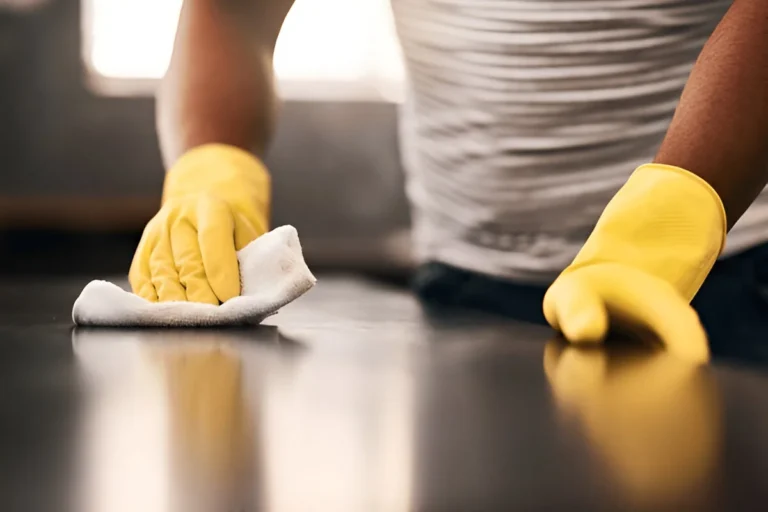
What is the Difference Between Cleaning and Disinfecting?
You may think of cleaning and disinfecting as one in the same, but there’s a significant difference, especially when it comes to preventing the spread of illness in your home.
Cleaning vs. Disinfecting:
- Cleaning is the physical removal of dirt, dust, and grime from surfaces. While cleaning reduces the number of germs, it doesn’t necessarily kill them.
- Disinfecting, on the other hand, refers to using chemicals that kill harmful bacteria and viruses on surfaces. During flu season, it’s essential to disinfect your home, as viruses like the flu can survive for up to 72 hours on surfaces in Ontario’s cold, dry winter climate.
Local Relevance:
In Ontario’s colder months, people spend more time indoors, increasing the likelihood of illness spreading. If someone in your home catches the flu or a cold, it’s crucial to disinfect high-touch surfaces like doorknobs, light switches, and countertops.
How Long Should Disinfectant Stay Wet to Be Effective?
It’s not enough to simply spray a disinfectant and move on. For the best results, disinfectants need time to work.
Disinfectant Contact Time:
- Most disinfectants need 5-10 minutes of wet contact time to be effective. This is the time the disinfectant needs to stay on the surface to kill germs and viruses.
- Important Tip: Make sure to spray the disinfectant on surfaces, let it sit for the recommended time, and then wipe it off. This ensures that harmful germs are being killed.
Health Canada Approved Products:
Use disinfectants approved by Health Canada, as these are specifically designed to combat illnesses that can spread in Canadian homes. Always follow the label instructions for optimal use.
Do I Need to Disinfect Floors?
While you may regularly vacuum and mop your floors, disinfecting them after someone in your home has been ill is just as important.
Disinfecting Floors After Illness:
- High-Traffic Areas: In Ontario homes, the kitchen and bathrooms see the most foot traffic. These are the areas most susceptible to germs spreading. Ensure that you’re disinfecting these floors with an appropriate cleaner after illness.
- Types of Floors: Depending on whether you have hardwood, laminate, or carpet, use the appropriate disinfectant. For example, hardwood floors need to be cleaned with a non-abrasive, gentle disinfectant, while tiles or vinyl floors can handle stronger solutions.
Local Relevance:
Ontario’s long winters keep people indoors, which means your floors might see more action from family members, pets, and guests. Make sure to disinfect your floors to prevent reintroducing germs into the home.
Can I Use Bleach Safely Around Pets?
If you’re a pet owner, you’ll want to be extra cautious when disinfecting your home, especially if you’re using bleach-based products.
Bleach Safety Around Pets:
- Precautions: Bleach can be harsh, so always ensure that the area is well-ventilated and that the bleach is thoroughly dried before allowing your pets back into the room.
- Alternatives: If you’re concerned about bleach, there are safer disinfectant alternatives like vinegar and hydrogen peroxide, which can still effectively kill germs without harming pets.
Tip: Always check the labels of disinfectants to see if they are pet-safe. If you’re unsure, it’s better to opt for natural cleaning solutions, especially if you have pets.
How to Disinfect Keyboards and Phones After Illness?
Your electronic devices, phones, keyboards, and remote controls are prime breeding grounds for bacteria. They’re touched frequently and often overlooked when disinfecting the home.
Disinfecting Phones and Keyboards:
- Phones: Use a disinfecting wipe or a microfiber cloth with rubbing alcohol to clean your phone, making sure to wipe down all surfaces, including buttons and screens.
- Keyboards and Remote Controls: Similarly, use rubbing alcohol on a cloth or a disinfecting wipe to clean these surfaces gently.
Example:
If someone in your family has been sick, it’s essential to disinfect devices they may have used frequently, like the TV remote or their laptop keyboard, to prevent the spread of germs.
What Laundry Settings Kill Germs?
Disinfecting clothing and bedding is an often-overlooked but crucial step in preventing the spread of illness. Germs can linger on fabrics, so it’s essential to wash and dry them properly.
How to Disinfect Laundry:
- Hot Water: Use hot water (at least 60°C or 140°F) to wash clothing and bedding. This will help kill germs and viruses that might be lingering in the fabrics.
- High Heat Drying: Drying your clothes on high heat for at least 30 minutes will ensure that any remaining germs are killed.
Local Relevance:
Ontario’s winters make it more likely that families spend more time indoors, leading to more contact with bedding, towels, and clothing. Regularly disinfecting these items will help keep your home safe during flu season.
How Long Can Viruses Live on Surfaces?
Viruses can survive for varying lengths of time on surfaces, depending on the material and the type of virus.
Survival Time of Viruses on Surfaces:
- Flu Viruses: Can live on hard surfaces for up to 24 hours.
- Cold Viruses: Can last anywhere from a few hours to a day.
- COVID-19: Can survive for up to 72 hours on plastic and stainless steel, although this can vary.
Tip: Make sure to disinfect high-touch surfaces like doorknobs, light switches, and countertops regularly to minimize the risk of re-infection.
Do I Need to Fog My Home After Illness?
Some people consider using disinfectant foggers to clean their homes, but is this really necessary? Let’s take a look.
Fogging After Illness:
- When to Fog: Fogging may be beneficial if you have a severe viral outbreak, but for most households, regular cleaning and disinfecting are enough.
- Effectiveness: Fogging can reach areas that are hard to clean, but it’s generally not necessary unless you’ve had a severe infection.
Local Relevance:
In Ontario, most homes can benefit from thorough disinfecting rather than fogging, unless there’s been a significant outbreak in the house.
Conclusion:
Disinfecting your home after illness is essential to keeping your family safe and healthy, especially in Ontario’s long winter months when viruses can thrive. By following these simple steps and using the right products, you can reduce the risk of re-infection and ensure your home remains a safe, healthy environment for everyone.
Ready to ensure your home is thoroughly disinfected and safe for your family?
Tidy Up North offers professional disinfection services in Ontario. Book online today for a clean, healthy home!
People Also Ask:
- What is the difference between cleaning and disinfecting?
Cleaning removes dirt, but disinfecting kills viruses and bacteria. - How long should disinfectant stay wet?
Disinfectant needs to stay wet for 5-10 minutes to kill germs effectively. - Do I need to disinfect floors?
Yes, high-traffic areas, like kitchens and bathrooms, should be disinfected. - Can I use bleach safely around pets?
Yes, but ensure proper ventilation and allow the area to dry before pets re-enter. - How to disinfect keyboards and phones?
Use disinfecting wipes or rubbing alcohol on a microfiber cloth to wipe down your devices. - What laundry settings kill germs?
Use hot water and a high heat setting on your dryer to kill germs on clothing. - How long can viruses live on surfaces?
Viruses can live on surfaces for hours to days, depending on the material. - Do I need to fog my home?
Fogging can be helpful, but regular disinfection is often enough for most homes.